
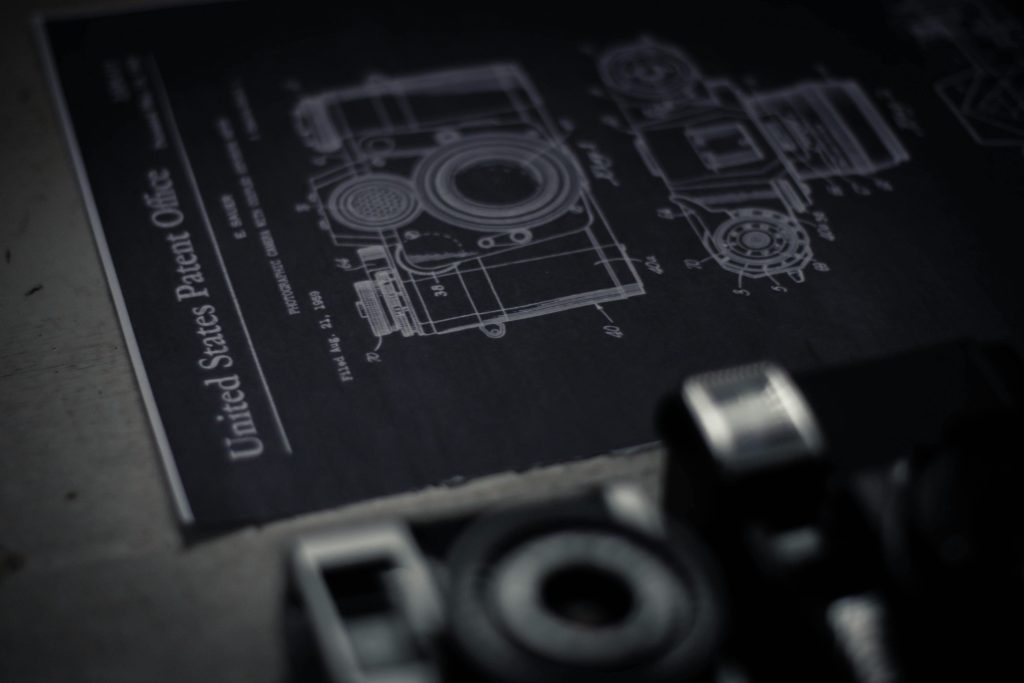
In the world of intellectual property, the importance of images in patent applications cannot be overstated. Patent images serve as visual representations of inventions, enhancing clear communication of the inventive concept. This article delves into the intricacies of choosing the right image type for patents, encompassing various dimensions from understanding the necessity of patent images to exploring legal implications and providing practical tips for inventors.
Understanding Patent Images
Patent images are not merely decorative; they serve several critical purposes in the application process. They help to convey details that written descriptions may lack, offering clarity and enhancing the overall presentation of the invention. The visual representation of an invention can often bridge the gap between complex technical language and the understanding of a broader audience, including potential investors and consumers.
Patent images assist patent examiners and judges in understanding the invention more intuitively. A well-crafted image can create a lasting impression and is essential in differentiating an invention from prior art, playing an integral role in the patent’s success. In many cases, a single image can communicate the essence of an invention more effectively than pages of text, making it a crucial element in the patent application process.
The Importance of Patent Images
One of the primary reasons that patent images are vital lies in their ability to provide a visual context. They help to illustrate the functionality, design, and construction of an invention in a precise manner, which words alone may not fully encapsulate. For instance, a mechanical device may have intricate components that are difficult to describe verbally; however, a detailed image can depict these parts clearly, allowing for a better understanding of how they interact.
Additionally, images can express the novelty of the invention. When a unique design or mechanism is depicted accurately, it can significantly bolster the strength of the submitted patent application. This visual representation can also highlight innovative features that set the invention apart from existing technologies, thereby reinforcing the argument for its patentability and commercial viability.
Different Types of Patent Images
Patent images can be categorized into various types based on their purpose and method of representation. Some common types include line drawings, photographs, and computer-generated images. Each type has its specific application based on the nature of the invention and the information that needs to be conveyed. For example, line drawings are often preferred for mechanical inventions due to their clarity and ability to illustrate complex structures without unnecessary distractions.
Understanding these distinctions ensures that inventors choose the most appropriate imaging technique to capture their inventions accurately and attractively. Furthermore, the choice of image type can impact the perception of the invention’s professionalism and credibility.
High-quality images that are well-composed and thoughtfully presented can enhance the overall appeal of the patent application, potentially influencing the decisions of patent examiners and stakeholders alike. As such, investing time and resources into creating effective patent images is a wise strategy for any inventor seeking to protect their intellectual property.
Criteria for Choosing Patent Images
When selecting images for patent applications, several criteria should be prioritized to ensure their effectiveness. This not only involves understanding the aesthetic appeal but also the technical requirements that different image types must meet.
Critical factors include clarity of details, image size, and the format in which the images are presented. By adhering to these guidelines, applicants can improve the chances of their applications being favorably reviewed by the patent office. It is also essential to consider the audience for these images, primarily patent examiners, who require clear and informative visuals to understand the invention’s functionality and uniqueness.
Clarity and Detail in Patent Images
Clarity and detail are paramount when it comes to patent images. Images must be sharp and precise, allowing viewers, especially patent examiners, to discern intricate elements of the invention. This means avoiding cluttered designs or excessive lines that could lead to confusion.
High-resolution images are recommended, as they can reveal significant details necessary for understanding the invention. Employing proper contrast and colors enhances the visibility of important features without overwhelming the viewer. It is also advisable to include multiple angles or perspectives of the invention, as this can provide a more comprehensive understanding of its structure and function. Annotations or labels can also be beneficial in guiding the viewer’s attention to critical components, thereby enhancing the overall clarity of the image.
Size and Format Considerations for Patent Images
The size and format of patent images also play a pivotal role in effective communication. Typically, patent office regulations specify dimensions that must be adhered to, necessitating a careful review of submission guidelines.
Preferred formats often include JPEG, TIFF, or PDF, ensuring compatibility with processing systems used by patent offices. It’s pivotal to maintain a consistent size throughout the application to avoid confusion and improve the presentation. Beyond just the technical specifications, the choice of format can impact the quality of the image; for example, TIFF files are often favored for their lossless compression, preserving the integrity of the image.
Applicants should also consider the use of grayscale images for certain types of inventions, as this can sometimes provide a clearer representation of the details without the distraction of color variations. This strategic approach to size and format can significantly enhance the overall effectiveness of the patent application.
Common Image Types Used in Patents
Several types of images are commonly used in patent applications, each serving specific functions. Understanding the unique benefits of each type is crucial for inventors looking to present their creations in the best light.
These common image types include line drawings, photographs, and computer-generated images, and each will be explored in detail below.
Line Drawings in Patents
Line drawings are one of the most traditional forms of patent images. They are characterized by their simplicity and ability to convey detailed schematics of an invention without unnecessary distractions.
Line drawings are particularly useful for mechanical inventions or processes that require a high level of precision. Supplemental shading or cross-hatching can be applied to denote different materials or textures. These drawings can be easily reproduced and scaled, making them ideal for inclusion in patent documents where clarity and consistency are paramount. The use of standardized symbols and notations in line drawings can also help convey complex ideas succinctly, ensuring that the essence of the invention is captured effectively.
Photographs in Patent Applications
Photographs can provide an authentic and real-world representation of an invention. They are often used for products where visual details matter significantly, such as consumer goods, machinery, or unique art pieces.
However, using photographs requires care to ensure that the images are taken under proper lighting and angles to showcase the object accurately. They should be devoid of distractions that could detract from the focal point of the invention. Photographs can be enhanced with annotations or callouts to highlight specific features or functionalities, providing context that may not be immediately apparent. This added layer of detail can be particularly beneficial in industries where aesthetic appeal and functionality are closely intertwined, such as fashion or automotive design.
Computer-Generated Images in Patent Applications
Computer-generated images (CGIs) are becoming increasingly popular in patent applications, offering flexibility and high-resolution visuals. These images allow inventors to create precise representations of their inventions before they are made or even built.
CGIs can illustrate how an invention works and highlight its intricate components, effectively communicating complex ideas. However, it is essential to ensure that these images are realistic enough to be taken seriously by patent examiners. The ability to manipulate angles and perspectives in CGIs also allows inventors to present their inventions in the most favorable light, showcasing multiple views and functionalities in a single image. Moreover, as technology advances, the integration of animations or interactive elements in patent submissions may become more prevalent, further enhancing the clarity and appeal of the presented inventions.
Legal Implications of Patent Images
Beyond the technical aspects, the legal implications surrounding patent images are vital to understand. Failing to comply with legal standards can result in complications that may jeopardize the application itself.
This section discusses patent image rights, ownership, and the potential pitfalls that may arise due to misrepresentation or errors in images submitted.
Patent Image Rights and Ownership
Ownership of patent images is often vested in the inventor or the company that creates the images. However, when outsourced to professional illustrators or firms, the ownership rights must be clearly outlined in contractual agreements.
It’s imperative to maintain proper documentation of ownership, as disputes may arise over who controls the copyright for images submitted in patent applications. The nuances of intellectual property law can vary significantly across jurisdictions, making it essential for inventors and companies to seek legal counsel familiar with both local and international patent laws. This proactive approach can help mitigate risks associated with ownership disputes, ensuring that the rights to patent images are unequivocally secured and protected.
Misrepresentation and Errors in Patent Images
Errors or misrepresentations in patent images can lead to severe legal ramifications. This includes rejection of the application, reduction of patent scope, or even litigation if the imagery misleads or misrepresents the invention.
To avoid such pitfalls, patent applicants should ensure accuracy in all visual materials and engage professionals who understand the legal significance of patent imagery. It is advisable to conduct thorough reviews and revisions of all submitted images, possibly involving multiple stakeholders in the process. This collaborative approach not only enhances the quality of the images but also serves as a safeguard against potential legal challenges. By implementing a rigorous quality control process, applicants can significantly reduce the likelihood of errors that could jeopardize their patent rights and investments.
Tips for Selecting the Right Patent Image
Choosing the right kind of image for patent applications requires careful consideration and—when in doubt—a willingness to seek expert guidance. This section provides practical tips for inventors to enhance their chances of successfully submitting persuasive patent drawings.
Focus on engaging a professional when necessary, as the expertise they bring can be invaluable in navigating the complexities of patent illustrations.
Consulting with a Patent Attorney
Engaging a patent attorney is advisable for anyone serious about filing a patent. They can offer thorough insights into the legal requirements and suggest the best practices for image submission.
A patent attorney can also help ensure that the images align with the patent’s claims and support a strong application overall, ultimately enhancing the potential for approval.
Utilizing Professional Patent Illustrators
Hiring a professional patent illustrator is often a strategic move. These specialists are familiar with the specific requirements and standards outlined by patent offices and can produce high-quality images that effectively communicate the invention’s nuances.
By utilizing the expertise of patent illustrators, inventors can mitigate risks associated with poor-quality imagery and increase their chances of a successful patent grant.
Conclusion
The selection of appropriate images is a vital component in the patent application process. From understanding types of images and criteria for choosing them to navigate legal requirements and professional resources, every aspect contributes to shaping a successful patent application. Familiarizing oneself with these dimensions enhances the quality of submissions and improves the likelihood of safeguarding innovations that can benefit society.
Computer Packages Inc. (CPI) is a privately owned IP management company with over fifty years of experience serving the IP community. Our mission is to be the most trusted partner in safeguarding clients’ IP assets with innovative IP management software and annuity services. Learn how we specialize in IP patent, trademark, and annuity management by exploring our services.
FAQs
Q1: Why are patent images important in a patent application?
A: Patent images are essential because they visually communicate the structure, function, and unique features of an invention. They help patent examiners, judges, and potential investors understand technical details that written descriptions alone may not convey, ultimately strengthening the application and supporting claims of novelty.
Q2: What types of images can be used in a patent application?
A: Common patent image types include line drawings, photographs, and computer-generated images (CGIs). Each serves different purposes: line drawings are ideal for mechanical or highly detailed inventions, photographs work well for real-world objects or prototypes, and CGIs help illustrate complex structures or inventions not yet physically produced.
Q3: How do I choose the right image format and size for a patent submission?
A: The best format depends on patent office requirements, but applicants usually submit JPEG, TIFF, or PDF images that meet specific dimension and resolution standards. Images must remain consistent in size, clear in detail, and properly formatted to ensure compliance and prevent rejection or misinterpretation during examination.
Q4: What legal issues can arise from using incorrect or misleading patent images?
A: Incorrect, misleading, or incomplete images can lead to rejection of the application, narrowing of patent claims, disputes over ownership, or even litigation. Ensuring accuracy, clarity, and proper rights to all images is crucial to avoid legal challenges and preserve the strength of your patent.
Q5: Should I hire a professional patent illustrator for my patent drawings?
A: Yes, if possible. Professional patent illustrators understand the strict technical and legal requirements of patent offices. They ensure images meet formatting rules, clearly support the written claims, and accurately depict the invention. Working with a patent attorney alongside an illustrator further reduces errors and increases approval likelihood.




 English
  Spanish
  French
  German
  Japanese